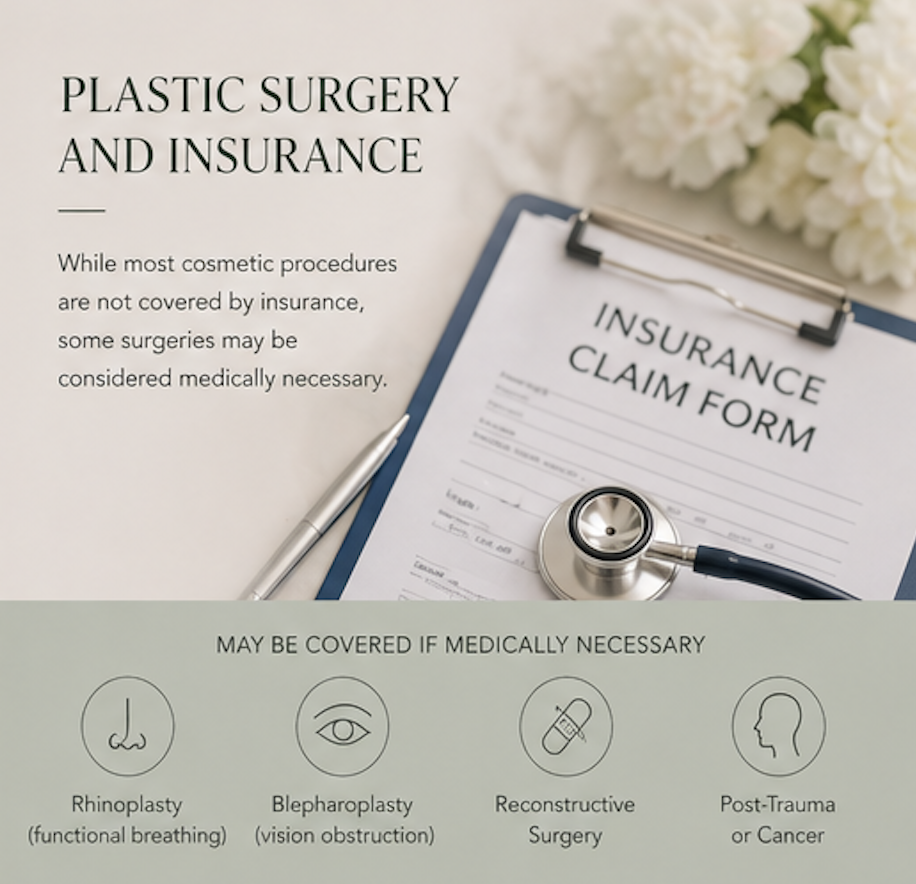
Insurance coverage for facial feminization surgery (FFS) remains one of the most challenging aspects of accessing gender-affirming care. While coverage has improved significantly in recent years, many patients still face barriers. Understanding the current landscape can help you advocate for yourself and navigate the system more effectively.
The Current State of Coverage
Insurance coverage for gender-affirming surgery varies widely depending on the type of procedure, your insurance plan, and where you live.
Genital and Chest Surgery: These procedures are now recognized as medically necessary by most major insurance companies. Nearly 100% of commercial insurance policies that cover gender-affirming surgery include genital reconstruction.
Facial Feminization Surgery: Coverage is more limited. Research shows that approximately 51% of commercial insurance policies consider FFS procedures cosmetic rather than medically necessary. Only about 18% of commercial insurance policies have favorable coverage for FFS.
Specific Procedures: Among FFS procedures, chondrolaryngoplasty (tracheal shave) is the most commonly covered, with about 20% of policies providing coverage. Other procedures—including forehead contouring, rhinoplasty, jaw reduction, and blepharoplasty—are each covered by only about 13% of policies reviewed.
Medicaid Coverage
Medicaid coverage varies significantly by state:
- 18 states offer some level of gender-affirming surgical coverage
- Only 3 of those states (17%) include facial feminization surgery
- 13 states explicitly prohibit Medicaid coverage of all transgender surgery
- 19 states have no published policy on gender-affirming care
States in the Northeast and West tend to have more protective policies, while states in the South and Midwest are more likely to have restrictive policies.
Why Coverage Is Limited
Several factors contribute to limited FFS coverage:
Cosmetic Classification: Many insurers classify FFS procedures as cosmetic because similar procedures (rhinoplasty, brow lift, etc.) are performed for purely aesthetic reasons in cisgender patients. This classification ignores the medical necessity of these procedures for treating gender dysphoria.
Lack of Standardized Criteria: Unlike genital surgery, there are no universally accepted medical necessity criteria for FFS. Different insurers use different standards, and many deviate from WPATH guidelines.
Procedures with "Cosmetic Overlap": Procedures that are commonly performed for cosmetic reasons in the general population face the greatest coverage challenges, even when they serve a medical purpose for transgender patients.
Steps to Improve Your Chances of Coverage
1. Understand Your Policy
Review your insurance policy carefully. Look for language about gender-affirming care, transgender exclusions, and specific procedures. Policy information can be difficult to find, as research shows that gathering this information often requires phone calls and persistence.
2. Obtain Proper Documentation
Work with your healthcare providers to document:
- Diagnosis of gender dysphoria
- Duration of hormone therapy (if applicable)
- Letters from mental health providers
- Medical necessity statements from your surgeon
3. Request Prior Authorization
Submit a prior authorization request before scheduling surgery. Include all supporting documentation and a detailed letter of medical necessity from your surgeon.
4. Appeal Denials
If your initial request is denied, appeal the decision. Many denials are overturned on appeal. Include additional documentation, peer-reviewed research supporting medical necessity, and letters from your treatment team.
5. Know Your Rights
In states with protective policies, insurance companies may be required to cover gender-affirming care. The 2014 Department of Health and Human Services ruling prohibits insurance discrimination against transgender individuals, though enforcement varies.
State Laws Matter
Research shows that insurance policies in states with laws supporting transgender equity cover more FFS procedures, while policies in restrictive states offer less coverage. If you have flexibility in choosing insurance plans, consider this factor.
Alternative Options
If insurance coverage is not available:
- Payment Plans: Many surgeons offer financing options
- Medical Credit Cards: Options like CareCredit allow you to spread payments over time
- Savings and Fundraising: Some patients save over time or use crowdfunding
- Out-of-Network Benefits: Some plans offer partial reimbursement for out-of-network care
The Evolving Landscape
Coverage for gender-affirming care continues to evolve. Since 2014, an increasing number of insurance companies have established policies on transgender care, and coverage criteria are becoming more aligned with medical guidelines. Advocacy efforts continue to push for broader recognition of FFS as medically necessary.
The Bottom Line
While insurance coverage for facial feminization surgery remains limited, it is improving. Understanding your policy, documenting medical necessity, and being prepared to appeal denials can improve your chances of obtaining coverage. Working with a surgeon experienced in navigating insurance for gender-affirming care can also be invaluable in this process.
Schedule a Consultation
Ready to take the next step in your journey?
To learn more and explore how insurance may help cover your procedure, reach out to our team:
Call or Text: +1 (310) 890-7262
Email: care@drkriya.com
Our team is here to support you every step of the way, from navigating insurance approval to guiding you through recovery with confidence and care.
